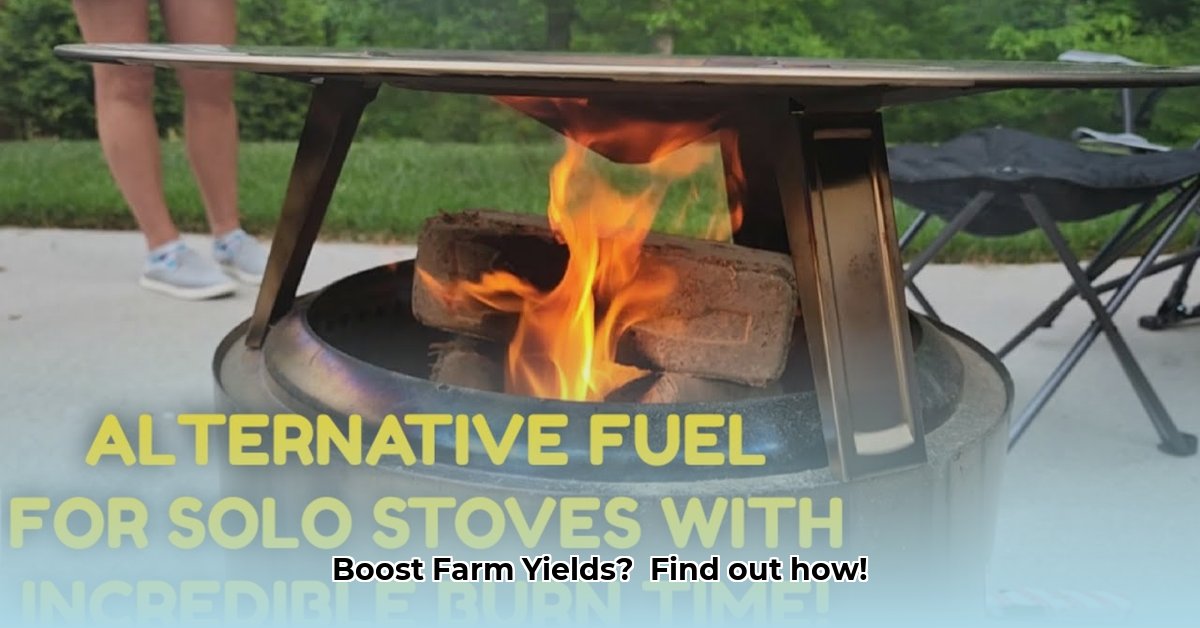
Solo Stove: Unexpected Ways to Enhance Farm Productivity and Sustainability
Let's be frank: connecting a portable fire pit like a Solo Stove (available at Tractor Supply) to increased crop yields might seem unusual. The stove won't magically accelerate plant growth. However, it can contribute significantly to a more productive and sustainable farming operation in surprising ways. While not directly impacting crop yields, its indirect benefits significantly enhance farm efficiency and well-being. For added warmth during cold days, check out these heated gloves.
Beyond the Bonfire: Cultivating Community and Well-being
Modern farming demands resilience. Long hours, unpredictable weather, and economic pressures take their toll. A Solo Stove provides a simple yet powerful tool to boost team morale and foster a stronger work environment. Its warmth after a long day in the fields creates a space for relaxation and community-building. Shared meals cooked over the stove become opportunities for team bonding, strengthening relationships and fostering collaboration. Stronger teamwork translates directly into increased overall farm efficiency and productivity.
Consider these additional benefits:
- Emergency Preparedness: In colder climates, power outages pose a significant risk. A portable and efficient heat source like a Solo Stove serves as a crucial backup, ensuring worker and livestock safety. This is a simple risk mitigation strategy with long-term benefits.
- Eco-Friendly Cooking: Instead of relying on less eco-friendly propane, a Solo Stove provides a clean and efficient cooking solution. This reduces dependence on fossil fuels and minimizes your farm's environmental impact, aligning with sustainable practices.
- Enhanced Work-Life Balance: Burnout is a serious concern in agriculture. The Solo Stove offers a space for decompression and relaxation, contributing to a better work-life balance for the entire team. Happier, well-rested employees are naturally more productive.
Do you want to improve your farm's sustainability and the well-being of your team? A simple investment in morale can yield substantial returns.
The Solo Stove and Farm Maintenance: A Parallel Approach
Maintaining a Solo Stove is surprisingly similar to sustainable farm management. Both require regular upkeep, careful planning, and attention to detail. This parallel emphasizes the importance of consistent maintenance, vital for both short-term efficiency and long-term sustainability.
| Solo Stove Maintenance | Farm Practice Parallel |
|---|---|
| Clean after each use | Regular weeding and crop maintenance |
| Inspect for damage | Regular equipment inspection & maintenance |
| Proper storage | Proper storage of harvested crops & tools |
| Replace necessary parts | Timely replacement of worn-out equipment |
This analogy strengthens the importance of consistent maintenance for optimal performance and longevity, whether it's a Solo Stove or an entire farming operation.
Did you know that proactive maintenance can increase equipment lifespan by up to 25%? This translates into significant cost savings over time.
Investing in Your Farm's Overall Well-being
The Solo Stove's contribution to increased farm yields is indirect. It's about improving the overall work environment, boosting team morale, and indirectly increasing productivity. By fostering a supportive and sustainable atmosphere, a Solo Stove—a relatively small investment—can create considerable positive ripple effects throughout your farm. A stronger, more resilient team works more efficiently, driving higher yields and improved sustainability.
How to Secure Government Subsidies for Sustainable Farming Technologies
Numerous government subsidies are available to support sustainable farming technologies. However, securing these funds requires diligent research and a well-prepared application.
Navigating the Funding Landscape
Accessing government assistance demands thorough preparation. Numerous federal, state, and local programs exist, each with specific eligibility criteria, application processes, and funding levels. Identifying appropriate programs tailored to your needs is the crucial first step.
Identifying Relevant Programs
Begin by exploring the programs offered by the United States Department of Agriculture (USDA). The USDA Rural Development program offers various grants and loans focusing on sustainable agriculture, renewable energy, and rural economic development. 1 Don't limit your search to federal programs. Investigate state and local government initiatives, as they often offer additional funding opportunities aligned with regional priorities.
What percentage of farmers utilize government subsidies to support sustainable initiatives? Studies indicate a significant portion, highlighting the importance of exploring these funding avenues.
Crafting a Winning Application
A compelling application is key. This involves a detailed proposal outlining your project, budget, and anticipated environmental and economic benefits.
- Comprehensive Plan: Clearly detail the intended technology and its sustainable impact.
- Detailed Budget: Provide a thorough budget breakdown, including all associated costs.
- Impact Demonstration: Highlight the environmental and economic benefits of the project.
- Expert Assistance: Seek assistance from agricultural extension services or consultants to enhance your application.
Did you know that a well-structured application can significantly increase your chances of securing funding? It's crucial to present your project clearly and persuasively.
The Approval Process
Approval takes time. Maintain open communication with program administrators. Consider setbacks as opportunities for improvement. Persistence and a well-crafted application are essential.
Key Takeaways:
- Thorough Research: Explore federal, state, and local programs.
- Strategic Planning: Develop a strong project proposal and budget.
- Persistence: The process may be lengthy; do not give up easily.
- Seek Expert Advice: Utilize consultants for application assistance.
- Technology Understanding: Solid knowledge of the technology is critical.
https://www.rd.usda.gov/programs-services/energy-programs ↩